2026 Top Textile Lamination Machine Buying Guide
The 2026 Top Textile Lamination Machine Buying Guide begins with a practical question: what must the machine achieve every working day?
A Textile Lamination Machine joins fabric with film, foam, membrane, or another textile layer. Its value depends on bond strength, coating control, production stability, and fabric protection. A fast machine is not always the best machine. Sometimes, excessive speed creates wrinkles, weak edges, or uneven adhesive coverage.
Professor Thomas Gries, a respected textile engineering researcher, offers a useful principle: “Process stability matters more than impressive machine speed.” This idea should guide every purchase decision. Buyers should inspect heating zones, laminating pressure, unwinding accuracy, web tension, curing performance, and control-system access. Ask for test results using your actual fabric. Brochure samples can look perfect. Factory reality may differ.
The right equipment should also fit your floor space, operators, maintenance skills, and expected material range. A narrow machine may reduce waste, while a wider line can support future product development. Energy consumption deserves attention too. Heating systems, compressed air, and standby losses can quietly increase operating costs.
Do not ignore small details.
Check roller surfaces, cleaning access, spare-part availability, and emergency stops. Request clear documentation for operating limits and routine maintenance. A reliable supplier should explain weaknesses, not only advertise strengths. This guide also recognizes an uncomfortable truth: no machine suits every textile application. Careful trials, honest questions, and a realistic production forecast remain more valuable than a polished sales promise.
What Is a Textile Lamination Machine and How Does It Work?
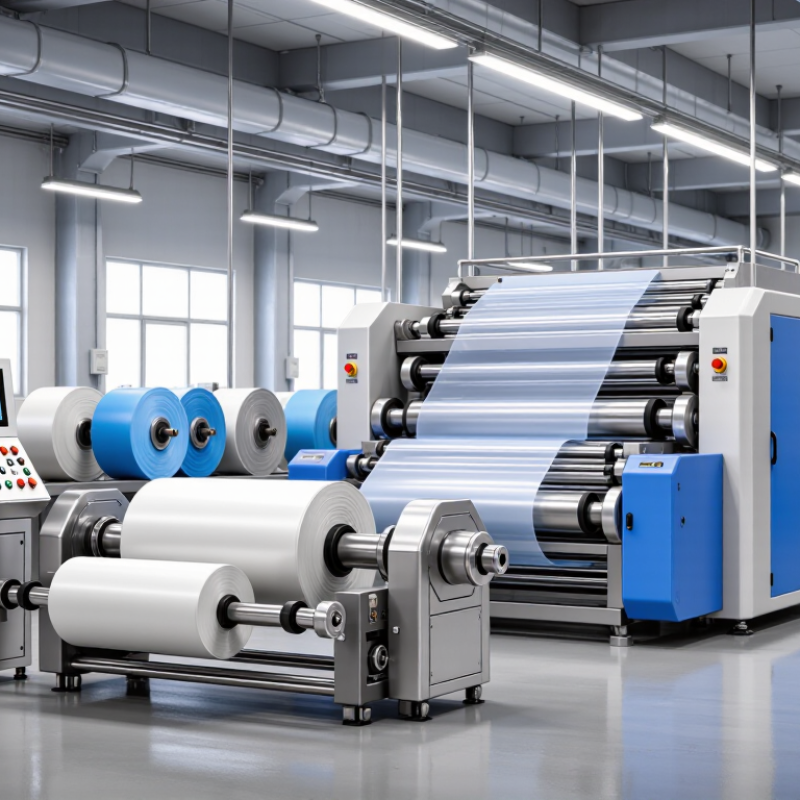
A textile lamination machine bonds two or more flexible layers into one functional material. Common combinations include fabric with film, foam, membrane, or nonwoven substrates. The machine usually feeds each layer from separate unwinders. Guide rollers then control alignment. A heated adhesive system or pre-coated film enters the nip rollers, where pressure creates a continuous bond. Cooling rollers stabilize the laminated web before winding.
Temperature, pressure, and line speed must match the material. Excessive heat can shrink fabric or damage waterproof films. Low pressure may create bubbles, weak edges, or visible wrinkles. Smithers’ technical-textiles market outlook identifies durable, coated, and composite materials as important growth areas through 2028. Grand View Research also reports steady expansion in the global textile-coatings market, driven by protective clothing, automotive fabrics, and home applications. These figures suggest demand, but they do not guarantee a profitable machine purchase. That part needs testing.
Tips: Request a trial using your actual fabric, adhesive, and target speed. Inspect peel strength, surface appearance, and bond consistency after conditioning. Measure power consumption, scrap rate, and cleaning time. A machine running fast is not always efficient. I have found that small alignment errors become expensive defects across a full roll. Ask for recorded temperature uniformity and pressure data, not only brochure specifications. Consider future materials, too. Today’s narrow product range may change sooner than expected.
How to Match Machine Features With Production Requirements
2026 Top Textile Lamination Machine Buying Guide: How to Match Machine Features With Production Requirements
Machine selection should begin with the fabric, not the advertised line speed. A 2024 Textile Exchange report recorded 124 million tonnes of global fiber production in 2023. It also projects more than 160 million tonnes by 2030. This growth increases demand for flexible lamination systems, but higher output alone cannot guarantee profit.
Start by defining your actual production mix. For breathable sportswear, check adhesive coating accuracy, drying temperature, and web tension control. For heavier upholstery fabrics, prioritize roller pressure, nip stability, and frame strength. A 1,600-millimeter working width may suit standard rolls, while narrow-width production could waste energy and adhesive. More speed is not always better.
Energy deserves closer attention. The International Energy Agency identifies industrial energy efficiency as a major pathway for reducing manufacturing emissions. Compare heater power, heat recovery, standby consumption, and changeover time. Ask for measured data under your materials, not laboratory figures. Small details matter. A five-minute changeover can save hours each week.
Production trials should test peel strength, wash resistance, coating uniformity, and defect rates. The wrong adhesive setting can create wrinkles near the roll edge. I have seen specifications look impressive while operators struggle with cleaning access and recipe control. That is an uncomfortable weakness, but it belongs in the buying decision. Choose features your team can operate consistently, maintain safely, and verify with documented inspection records.
What Performance, Safety, and Quality Factors Should Buyers Compare?
When buying a textile lamination machine in 2026, compare measurable performance rather than impressive brochures. Check working width, line speed, heating accuracy, and adhesive coverage. A stable machine should maintain even pressure across the roller, even near the fabric edges. Ask for test samples using your actual fabric, adhesive, and production speed. Small variations can create bubbles, weak bonding, or warped material. I have found that a faster line is not always better. Excessive speed may reduce curing time and increase waste.
Safety deserves equal attention. Look for guarded rollers, emergency-stop controls, heat insulation, and clear maintenance access. Operators should not reach across moving parts during routine adjustments. Temperature alarms and automatic shutdowns can limit damage when sensors fail. Electrical documentation, training records, and inspection procedures also show whether the supplier works professionally. Do not accept vague claims. Request operating limits and service intervals in writing.
Tips: Measure energy use during a full production shift, not during a short demonstration. Inspect laminated samples after washing, stretching, and repeated handling. Ask how quickly replacement heaters, sensors, and rollers can be supplied. Quality depends on the finished textile, not only the machine frame. A polished sample may hide inconsistent results. Leave room for trial errors, because real production rarely matches showroom conditions.
2026 Top Textile Lamination Machine Buying Guide
What performance, safety, and quality factors should buyers compare?
The chart presents a practical 100-point procurement benchmark for comparing textile lamination machines. Performance covers production speed and process control, safety reflects emergency protection and guarding, and quality measures coating consistency, bond strength, and finished-material stability. Buyers should verify these factors through documented test runs, applicable machinery safety requirements, and sample-product inspection.
How to Evaluate Costs, Suppliers, Installation, and Long-Term Support?
Buying a textile lamination machine in 2026 requires more than comparing invoice prices. Textile Exchange’s 2024 Materials Market Report records 124 million tonnes of global fiber production in 2023. That scale makes stable output, not advertised speed, the practical buying test. Request a live trial using your fabric, adhesive, coating weight, and target speed. Measure waste, heating time, rewinding accuracy, and operator adjustments. A low quotation can still be the wrong bargain. Compare total ownership costs, including energy, adhesive consumption, rollers, belts, software, and planned maintenance. I would also request three years of spare-part prices. Suppliers sometimes avoid this detail.
Installation deserves equal attention. Ask for floor-load drawings, electrical requirements, ventilation needs, compressed-air quality, and commissioning hours. The International Energy Agency’s Energy Efficiency 2023 report identifies industry as responsible for about 37% of global final energy demand. Therefore, ask suppliers to provide measured power consumption at different line speeds, not one ideal figure. DOE guidance also notes that compressed-air leaks can waste 20–30% of compressor output. A small leak can quietly raise production costs.
Evaluate technical support before signing. Require response-time commitments, remote diagnostics, training for operators, and a local service plan. Confirm whether critical parts are stocked within your region. Ask for installation acceptance criteria in writing. My early mistake was trusting a polished demonstration without testing changeover time. That test mattered more than the maximum speed. Also inspect documentation quality. Clear wiring diagrams and maintenance intervals reduce dependence on one technician. Some assumptions will be wrong; leave room for a paid follow-up audit after three months of production.
