Best Electric Water Pumps for Efficient Performance?
The demand for efficient performance in industrial and residential settings drives the electric water pump market. Reports indicate that the global electric water pump market is projected to grow by 4.5% annually, highlighting its significance. "An efficient Electric Water Pump can save energy while ensuring reliable water supply," says Mark Thompson, a leading expert in water management technologies.
Interest in electric water pumps stems from their inherent advantages. These pumps require less maintenance and use electrical energy more effectively. Their efficiency not only lowers operational costs but also benefits the environment. However, not all pumps are created equal. Choosing the right model can be challenging.
In a rapidly evolving market, the latest innovations push boundaries. Brands are developing pumps with advanced features like smart technology and enhanced durability. However, potential buyers must navigate the plethora of options available. Quality, performance, and reliability matter greatly when selecting an electric water pump. As the market continues to grow, reflecting on these choices becomes essential for optimal efficiency and sustainability.
Types of Electric Water Pumps and Their Applications
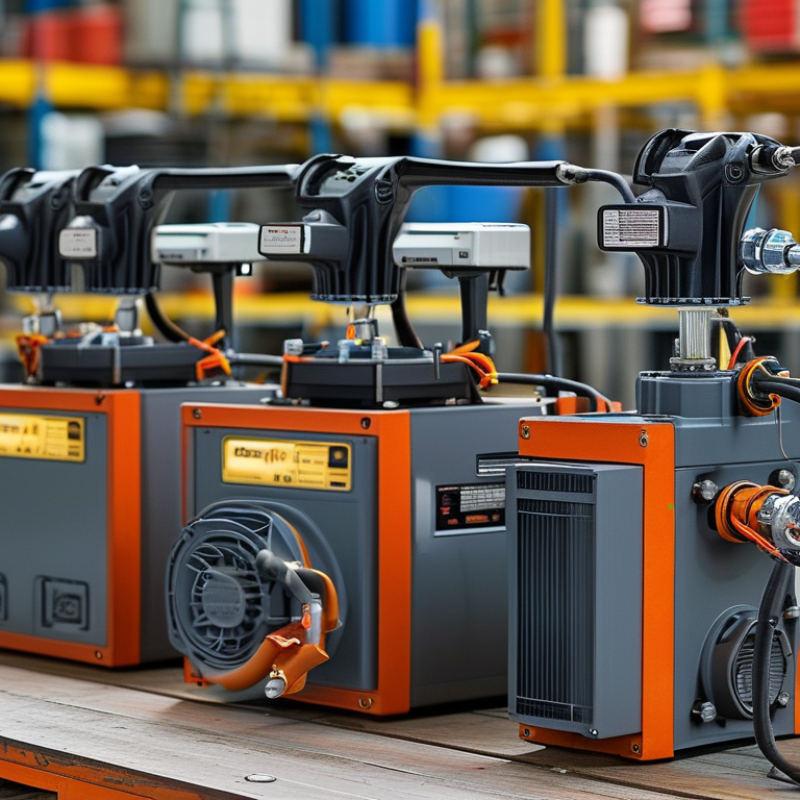
Electric water pumps come in various types, each tailored to specific applications. Centrifugal pumps are common in residential settings. They use a rotating impeller to move water efficiently. Their design makes them ideal for tasks like garden irrigation and draining pools. However, they may struggle with thick fluids or debris.
Submersible pumps are versatile and can operate underwater. They are commonly used for pumping out basements or draining flooded areas. While effective, they require proper maintenance to avoid damage from debris. Conversely, diaphragm pumps serve specialized needs. They are suitable for transferring harsh chemicals. However, they may not perform well with clean water.
Understanding these different types can help ensure that you choose the right pump for your needs. Each has strengths and weaknesses, which can affect efficiency. Mistakes in selection can lead to inadequate performance. Therefore, consider the requirements carefully and reflect on past experiences when selecting a pump. This way, you can make more informed choices and enhance overall system reliability.
Key Features to Consider When Choosing an Electric Water Pump
When choosing an electric water pump, several key features should guide your decision. Efficiency is paramount. Research indicates that energy-efficient pumps can save up to 30% on electricity costs compared to traditional models. Look for pumps that offer high flow rates while maintaining low power consumption. A pump’s ability to move water efficiently impacts both performance and utility bills.
Durability is essential as well. Pumps exposed to various environmental factors should be constructed from materials that resist corrosion and wear. According to industry studies, pumps made from high-grade stainless steel or reinforced plastics last longer and perform better. Manufacturers often highlight warranties, but considering user reviews adds another layer of insight into reliability.
Control features are increasingly important. Advanced models allow users to adjust settings for different applications, enhancing versatility. Smart technology integration with app controls offers convenience. However, some users find the learning curve steep. Balancing cutting-edge features with ease of use is crucial, as not all users require complex functionalities. A focus on essential needs can lead to improved satisfaction and efficiency.
Top Brands for Electric Water Pumps and Their Market Reputation
When choosing electric water pumps, market reputation is crucial. Many brands have established themselves as leaders due to their reliability and performance. Users often favor brands with a strong history in pump manufacturing. This indicates a track record of quality and innovation.
A closer look reveals that customer reviews play an essential role in shaping a brand’s reputation. Positive user feedback highlights efficiency and durability. However, not all reviews are glowing. Some customers point out issues with specific models. This feedback can help potential buyers make informed decisions.
Operational support is another key factor. Brands that offer robust customer service tend to gain trust. Users appreciate quick responses to their inquiries. Nonetheless, some brands fall short in this area, leading to frustration. Reliability combined with a genuine commitment to customer satisfaction often sets the top brands apart. This reflection can guide future purchases and enhance user experience.
Performance Comparison of Electric Water Pumps
This chart illustrates the performance metrics of various electric water pumps, focusing on flow rate, power consumption, noise level, and durability. The data is a representation of typical values observed in the market, highlighting the efficiency and operational characteristics of electric water pumps.
Maintenance Tips for Ensuring Efficient Performance of Electric Pumps
Electric water pumps require regular maintenance for optimal performance. Neglect can cause inefficiencies. Easy upkeep helps prolong the pump's lifespan.
One key tip involves regular inspection of seals and connections. Look for leaks or wear. If noticed, replace damaged parts promptly. This practice can prevent costly repairs later. Clean the pump regularly to ensure it remains free from debris. A clean environment keeps the pump functioning effectively.
Additionally, check the electrical components periodically. Loose wires can lead to performance issues. Ensure all connections are secure. Monitor the motor's performance. If it becomes unusually loud or hot, it may indicate a problem. Taking immediate action can save time and resources down the line. Regular maintenance checks keep your electric water pump in like-new condition.
Comparison of Energy Efficiency Among Leading Electric Water Pump Models
When looking for the best electric water pumps, energy efficiency is a crucial factor. Many models offer various features that impact power consumption. Some pumps may seem advanced but are not always the most efficient. Efficiency isn't just about the initial cost; it's about long-term savings.
Consider the specifications when comparing models. Look at the horsepower ratings and the gallons per minute they provide. A powerful pump might use more energy, affecting your utility bills over time. Identifying the right size for your needs can enhance efficiency. An oversized pump can result in energy wastage.
Tips: Always read user reviews for real-life insights. Users often highlight hidden issues not mentioned in product descriptions. Look for pumps with adjustable settings. This feature can help you optimize energy use based on specific tasks. Choosing a pump designed for quiet operation might reflect its efficiency as well. Don't just focus on brand reputation; examine its real performance metrics.
