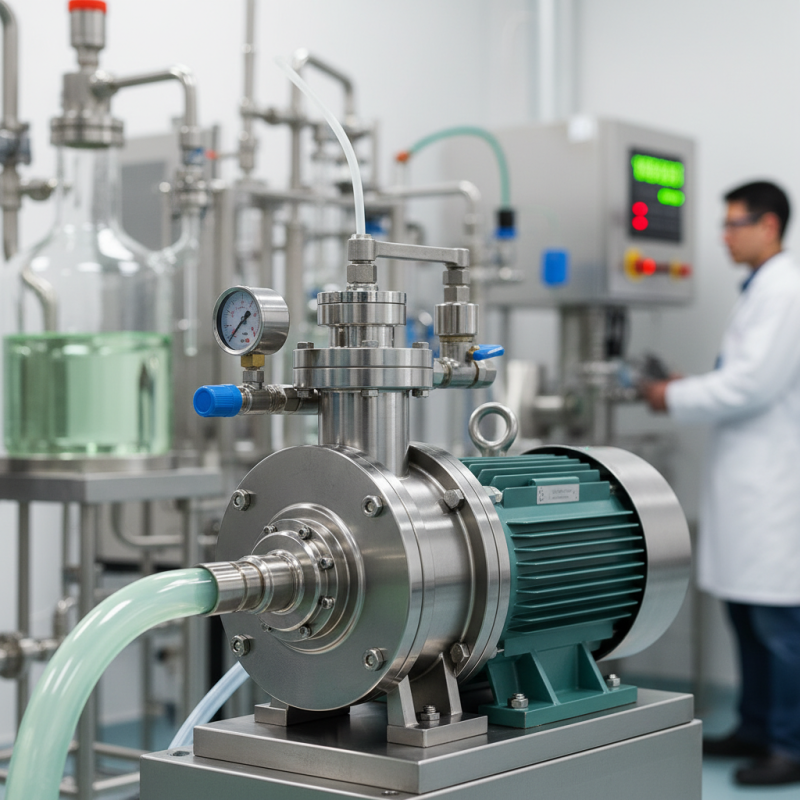
How to Choose the Best Fluorine Pump for Your Needs?
Choosing the right Fluorine Pump can be challenging. Many factors influence the decision. You must consider your specific needs and the pump's features. Fluorine Pumps are vital in various industries. They handle aggressive chemicals and materials effectively. It’s important to understand their specifications to avoid costly mistakes.
When selecting a Fluorine Pump, evaluate its performance and reliability. Look for pumps that are known for durability and efficiency. Reading reviews and user experiences can provide insight. Some pumps may not meet expectations in demanding environments. Take time to gather information and compare options.
Engaging with industry experts can also be beneficial. Their knowledge can guide you through the complexities. A well-informed choice ensures that your Fluorine Pump will fulfill operational demands. Ultimately, the right pump boosts productivity and safety in your processes.
Understanding Fluorine Pumps and Their Applications
Fluorine pumps are essential devices in various industrial applications. They handle corrosive substances, such as fluorine gas and its derivatives. These pumps are built with specialized materials that resist chemical damage. Understanding their unique features is crucial for optimal performance.
Application-wise, fluorine pumps excel in the chemical processing and semiconductor industries. They transport aggressive fluids safely, preventing leaks and environmental hazards. A reliable pump can increase production efficiency and reduce maintenance costs.
However, selecting the right pump is not always straightforward. Each application has varying requirements, including flow rate and pressure specifications.
It's essential to evaluate performance metrics carefully. Sometimes, the most advanced option is not the best fit. Consider factors such as compatibility, service life, and ease of maintenance. Even experienced engineers might overlook small details during the selection process.
It's a challenge that requires thorough research and understanding of project needs. Selecting a fluorine pump wisely can lead to significant long-term benefits.
Key Factors to Consider When Choosing a Fluorine Pump
Choosing the right fluorine pump is crucial for various industrial applications. Several key factors must be evaluated to ensure you select a pump that meets your specific requirements.
One of the most important aspects is material compatibility. Fluorine pumps must be constructed from materials resistant to corrosive environments. For instance, reports show that over 30% of equipment failures stem from material incompatibility. Analyzing the chemicals your pump will handle can help avoid costly maintenance issues.
Another factor is pump capacity and performance specifications. Consider the flow rate, pressure rating, and viscosity of the fluid. You will need a pump that matches these parameters closely. Interestingly, studies indicate that pumps operating close to their optimal specifications can improve efficiency by up to 25%.
Tips: Always consult technical data sheets before purchasing. Ensure you understand the operating environment. Sometimes, complex installations may lead to unforeseen challenges. Finding reliable suppliers who can provide technical support can also be invaluable.
In summary, making a well-informed decision on a fluorine pump requires careful consideration of material, specifications, and potential challenges. Don't rush the process; take the time to evaluate all options diligently to achieve the best outcome for your needs.
Comparing Different Types of Fluorine Pumps
When selecting a fluorine pump, understanding the different types available is crucial. There are mainly three types: diaphragm, peristaltic, and magnet-driven pumps. Each type has its strengths and weaknesses, affecting their suitability for specific applications. Diaphragm pumps offer good chemical resistance but may struggle with high-viscosity fluids. Conversely, peristaltic pumps handle viscous liquids well but can wear out tubes quickly.
Magnet-driven pumps excel in low-flow applications, providing a leak-free experience. However, they typically lack the pumping power of diaphragm and peristaltic options. A significant challenge is choosing a type that balances efficiency and durability for your project. Evaluations should include factors like flow rate, temperature range, and fluid properties. Prioritizing these details ensures reliability in performance.
It is essential to consider the surroundings too. Corrosive environments can affect pump longevity. Over time, wear and tear might lead to decreased performance. Organizations should reflect on their operational conditions and maintenance practices. Understanding these nuances helps in making an informed decision.
Evaluating Performance Specifications for Your Needs
When selecting a fluorine pump, performance specifications play a crucial role. These specifications determine how well a pump will operate under specific conditions. Performance metrics to consider include flow rate, pressure capacity, and chemical resistance. For example, a report by the Chemical Engineering Society indicates that pumps designed for fluorine applications should handle pressures exceeding 100 psi to ensure safety and efficiency.
Flow rate is another vital aspect. The ideal pump should maintain a consistent flow, typically ranging from 1 to 100 gallons per minute, based on your requirements. Additionally, look for endurance in chemically aggressive environments. A study published in the Journal of Fluid Dynamics highlighted that materials like PTFE and PFA provide superior resistance to corrosive substances. This is essential when dealing with fluorine, which can rapidly degrade lesser materials.
However, it’s important to not overlook individual operational needs. Each application may require a custom solution. One might find that a pump meets general performance criteria but fails in real-world conditions. Regular testing and feedback loops are necessary. Some users report early failures due to underspecified materials or overlooked environmental factors, stressing the importance of thorough evaluation. Assessing these specifications with a critical eye is essential for long-term reliability and efficiency.
Maintenance and Support for Fluorine Pumps
When selecting a fluorine pump, maintenance and support play crucial roles. Regular maintenance ensures optimal performance and longevity. A study by the Fluorocarbon Institute noted that 80% of pump failures stem from inadequate maintenance practices. Scheduled inspections can minimize unexpected downtime and costly repairs.
Consider the specific requirements of your fluorine pump system. Regular checks on seals, gaskets, and valves can prevent minor issues from escalating. Data from the American Society for Testing and Materials (ASTM) indicates that leaks can increase operating costs by 15%. Implementing a routine can also highlight inefficiencies, allowing for timely adjustments.
Support is vital in ensuring your pump's reliability. Technical support teams should be easily accessible for advice or emergency assistance. Educational resources can aid operators in troubleshooting and proper maintenance techniques. A comprehensive maintenance plan can lead to increased safety and reduced operational risks. The right support framework can bridge the gap between pump design and real-world application.