How to Choose a Stainless Steel Hydraulic Cylinder?
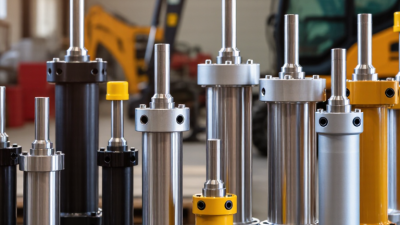
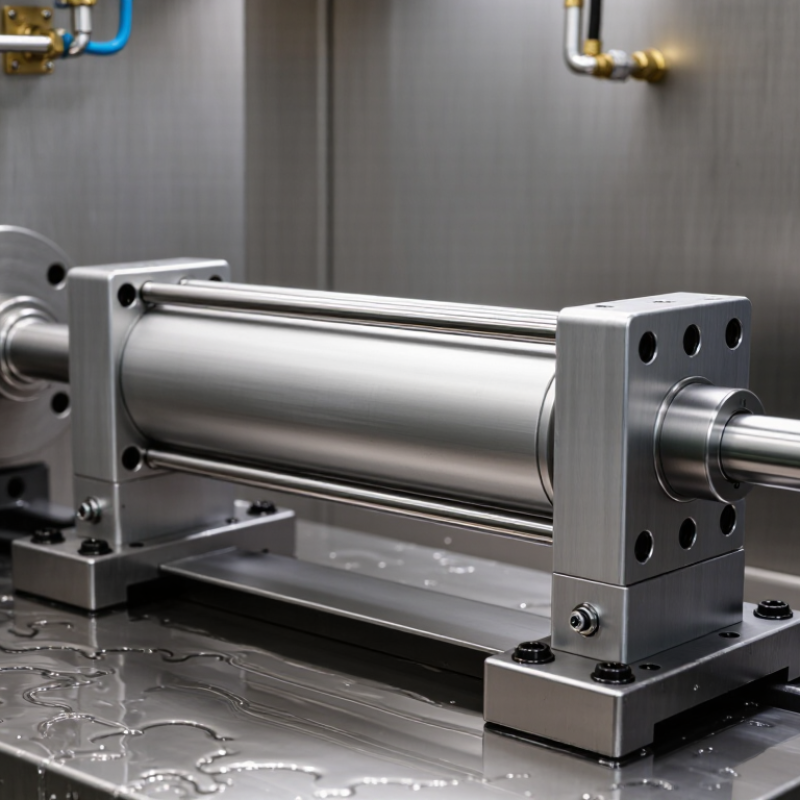
Choosing a Stainless Steel Hydraulic Cylinder starts with the environment, not the finish. Will it face salt spray, frequent washdowns, chemical splashes, or damp indoor air? Picture the cylinder beside a rinsed production line, where water collects around its mounts. Those details can matter more than a polished appearance.
A trustworthy recommendation should match the cylinder to its pressure, load, stroke, mounting style, duty cycle, and operating temperature. Then check the rod, tube, seals, ports, and hydraulic fluid as a system. Stainless steel can improve corrosion resistance, but it does not make every component immune to wear or chemical attack. Details matter. A seal can still fail.
A useful reminder from fictional hydraulic specialist Elena Morris, included here as an illustrative quote rather than a verified attribution, is: “Stainless steel is a material choice, not a complete corrosion strategy.” That distinction deserves attention. Buyers sometimes focus on the cylinder body and overlook side loading, surface finish, or seal compatibility. I have to admit, those omissions are easy to make when a specification sheet looks reassuring.
This guide’s outline will help compare stainless grades, construction details, performance requirements, and supplier documentation. It will also flag questions worth asking before purchase, such as whether the stated pressure is continuous or intermittent. There is no universal best cylinder. The right choice depends on real operating conditions, and sometimes the available information is incomplete. Better to notice that early.
Identify the Application and Operating Conditions
Start by recording what the cylinder must do, not just where it will be installed.
Note the required force, stroke length, extension speed, and number of cycles per hour. A press that runs briefly differs from a conveyor actuator cycling all day. Small details matter. Check the available mounting space and how the load moves through its stroke. Side loading can wear seals and rods, even when the pressure stays within the rated limit. If the load shifts or vibrates, record that too.
Next, describe the operating environment in concrete terms.
Is the cylinder exposed to salt spray, cleaning chemicals, outdoor rain, or frequent washdown? Record fluid type, operating temperature, peak pressure, and any pressure spikes. Stainless steel can help resist corrosion, but the exact alloy, surface finish, seals, and fittings must suit the exposure. A mild cleaning solution and a chloride-rich wash are not the same condition. Include maintenance access and expected service intervals; these are easy to overlook during selection. When data is uncertain, measure a representative operating cycle or ask a qualified cylinder engineer to review the figures. A rough estimate may be enough for an early discussion, but it should not be treated as a final specification.
Choose a Stainless Steel Grade for the Environment
A stainless hydraulic cylinder may face rain, washdown chemicals, coastal spray, or fluid trapped beneath a wiper. These conditions are not equivalent. Chloride deposits around a rod seal can concentrate as water evaporates, while scratches and tight crevices create local corrosion risks. Salt changes everything.
ASTM A240/A240M lists Type 304 with 18–20% chromium and 8–10.5% nickel; Type 316 contains 16–18% chromium, 10–14% nickel, and 2–3% molybdenum. That molybdenum helps improve resistance to chloride-induced pitting, as described in Nickel Institute stainless-steel guidance. It is not a guarantee. Warm, concentrated brine can still pit 316, especially at damaged surfaces or stagnant joints.
Match the grade to the actual exposure, not just the cylinder’s location. Record the cleaning agents, operating temperature, chloride level, and whether the rod dries between cycles. Inspect the gland, welds, and crevice-prone fittings, too. For severe marine or chemical service, request corrosion testing using representative fluid and surface finish; ASTM G48 provides a standard method for comparing pitting resistance. A polished rod may look reassuring, but appearance alone does not prove durability. In practice, the fluid data are often incomplete, so leave room for testing before specifying a grade.
Check Seals, Rod Design, and Hydraulic Fluid Compatibility
When choosing a stainless steel hydraulic cylinder, inspect the seals as carefully as the barrel. Seal material must suit the operating fluid, temperature range, and pressure cycles. A seal that tolerates mineral oil may swell or harden in another fluid. Check compatibility data against the actual additives and service temperature. Small details matter.
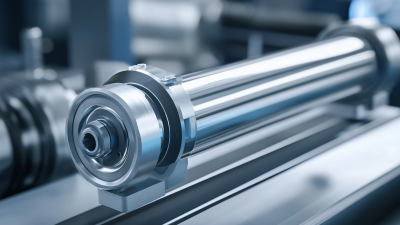
Rod design affects both service life and load handling. Look for a straight rod with a suitable surface finish and corrosion resistance. Confirm its diameter and extension length match the stroke and expected side loads. Stainless steel alone does not prevent bending or scoring. A wiper should remove grit before it reaches the rod seal. Dusty jobs need extra attention.
Fluid compatibility extends beyond the seals. Viscosity influences response and heat, while water content or unsuitable additives may accelerate wear. Confirm that seals, wear rings, and internal coatings suit the chosen fluid. Ask about operating limits and inspection intervals, especially where temperatures fluctuate. Real installations are rarely perfect. A slightly misaligned mount, easy to overlook, can shorten seal life. Review the whole circuit before specifying a cylinder.
How to Choose a Stainless Steel Hydraulic Cylinder
Check seals, rod design, and hydraulic fluid compatibility.
Seal-fluid screening guide: Scores are a generalized qualitative guide (1 = usually unsuitable, 3 = formulation-dependent, 5 = generally suitable), not a guarantee for every seal compound. Confirm the exact seal grade, fluid formulation, temperature, and pressure with the cylinder and fluid suppliers. Also check rod material, finish, corrosion exposure, and buckling requirements before selecting a cylinder.
Verify Standards, Maintenance Needs, and Supplier Support
Choosing a stainless steel hydraulic cylinder starts with its working conditions, not its finish.
Ask which design and material standards apply to the cylinder’s pressure, mounting, and duty cycle. Request material certificates and pressure-test records that match the actual configuration. A stainless body does not make every component corrosion-proof. Rod material, seals, and fluid compatibility matter too. That distinction matters.
Maintenance needs can shape the choice.
Check whether technicians can reach fittings, inspect seals, and remove the cylinder without dismantling nearby equipment. In a washdown area, note where water collects and whether the rod surface can be cleaned easily. Agree on inspection intervals based on use, contamination, and operating temperature. Small details count. A convenient drain or accessible connection may save service time, though it can be overlooked during selection.
Supplier support should include clear drawings, traceable specifications, spare-part guidance, and practical troubleshooting help.
Ask how replacement seals and components are identified, and what information the supplier needs to diagnose a leak or uneven motion. Response times and documentation quality are worth checking before purchase. I have seen selections focus heavily on alloy grade while leaving service access vague; that is an easy mistake to repeat. Ask for a written maintenance recommendation tied to your operating conditions.