How to Choose the Best Wire for Thermal Spray Applications?
Choosing the right Wire for Thermal Spray applications is crucial for achieving optimal performance. The global thermal spray coatings market was valued at over $9 billion in 2021, indicating significant industry growth. High-quality wire for thermal spray is essential for industries like aerospace and automotive. Proper selection can enhance wear resistance and extend component life.
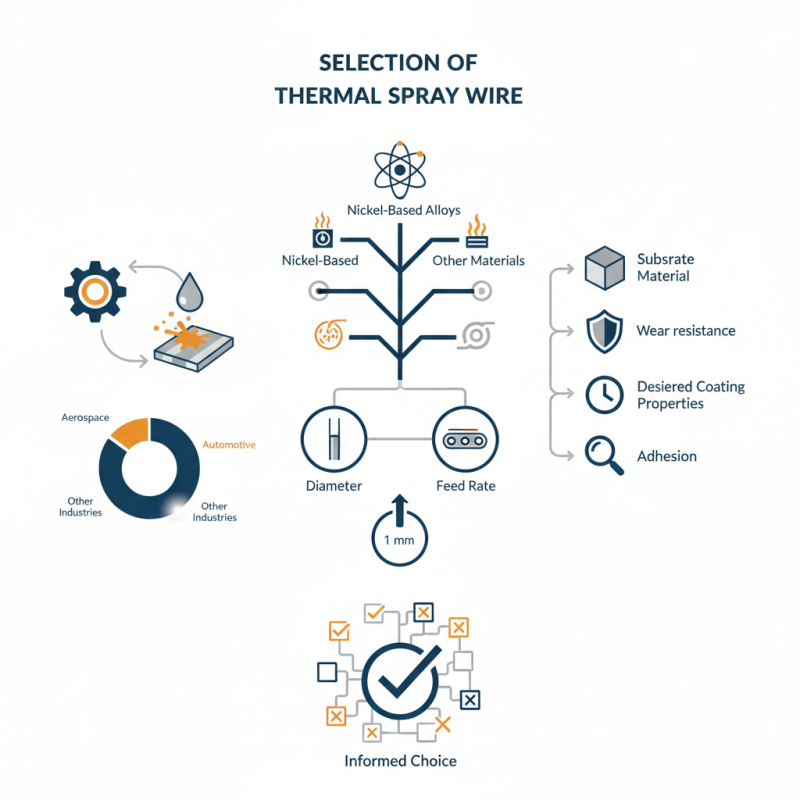
In thermal spray processes, the type of wire directly affects coating quality. For example, materials like nickel-based alloys offer excellent adhesion. They are widely used in challenging environments. Various factors influence wire selection, including substrate material and desired coating properties. There is no one-size-fits-all solution.
Additionally, the wire diameter and feed rate are vital considerations. Industry reports suggest that a 1 mm diameter can provide better control for fine coatings. Yet, challenges arise as not all suppliers offer the same quality. Potential inconsistencies can lead to disappointing results. Users must reflect on their specific needs to make informed choices in this complex landscape.
Understanding Thermal Spray Applications and Their Material Requirements
Understanding thermal spray applications is crucial for selecting the right wire material. These applications are prevalent in industries like aerospace, automotive, and manufacturing. They often require coatings that withstand extreme wear, temperature changes, and corrosion. According to a recent report by the International Thermal Spray Association, more than 30% of thermal spray users cite the material’s performance as a key factor in their wire selection.
The versatility of materials such as tungsten carbide, ceramic, and metallic options needs consideration. Each material has specific properties that affect coating quality and durability. For instance, tungsten carbide wires offer excellent wear resistance but can be challenging to apply. On the other hand, ceramic materials provide thermal protection but can be brittle.
Tips: Assess the specific requirements of your application. Identify the environment and stresses the coating will encounter. It’s also wise to consult detailed technical data sheets for the wire materials you consider. Reflect on your usage history; past choices can inform better decisions. Consider the environment, wear, and thermal loads to ensure the selected wire meets performance expectations.
Key Properties of Wire Materials for Thermal Spray Coating
When selecting wire for thermal spray applications, understanding key material properties is essential. The wire should possess good melting characteristics for effective coating. For instance, a low melting point can facilitate smoother application and better adhesion. Aim for materials that are consistent in performance under various conditions.
Additionally, the wire's corrosion resistance plays a critical role. Coatings need to withstand harsh environments. Evaluation of the wire's toughness is important as well. A tough wire can endure mechanical stresses during application and maintain the integrity of the coating. However, selecting the right wire could be challenging. Engineers often find varying opinions on the best choices for different applications.
Heat conductivity is another key aspect. A wire with higher conductivity can improve heating efficiency. This helps in achieving better bonding with the substrate. Yet, this also requires careful consideration of the spray parameters, as they must align with the wire properties. In summary, wire selection is not a straightforward task; it necessitates balancing multiple factors for optimal results.
Key Properties of Wire Materials for Thermal Spray Applications
Types of Wire Materials Commonly Used in Thermal Spray Processes
When selecting wire materials for thermal spray processes, understanding the types available is crucial. Common materials include metals, ceramics, and polymers. Each of these has distinct properties and applications. For instance, metallic wires often provide excellent adhesion and wear resistance. They are suitable for high-stress environments.
Ceramic materials, on the other hand, excel at thermal resistance. These wires can withstand extreme temperatures without degrading. Polymers can be useful for applications requiring flexibility. However, their application scope is narrower compared to metals and ceramics. The choice largely depends on the specific demands of the thermal spray application.
Tips: Always assess the operating environment's temperature and pressure. Understanding the surface to be coated can influence wire choice. For instance, if corrosion resistance is a must, opt for specialized alloys. Inconsistent results can sometimes arise from incorrect material choices. Testing different wires under actual conditions may yield better insights and performance.
Factors to Consider When Selecting Wire for Thermal Spray
When selecting wire for thermal spray applications, several factors play a critical role. Material composition is key. Different alloys provide various properties, such as corrosion resistance or wear resistance. Understanding the specific requirements of your application helps narrow down choices.
Wire diameter affects spray quality. Thinner wires may offer finer coatings, while thicker ones provide greater deposition rates. However, selecting the wrong diameter can lead to issues, like uneven coatings or excessive splatter. Compatibility with the spray technique is vital too. Some wires work better with specific processes like HVOF or plasma spray.
Then there's the melting point. Higher melting points usually mean better durability. However, they can be more challenging to melt uniformly. Consider the heat input and spray distance as well. These details often get overlooked but can significantly impact performance. Finding the right balance demands experimentation and adjustments. Each application may reveal unexpected challenges, prompting a need for revisions or new strategies.
Recommendations for Optimal Wire Selection in Thermal Spray Applications
When selecting wire for thermal spray applications, several factors must be considered to ensure optimal performance. The composition of the wire significantly impacts the coating’s properties. Different metals and alloys may perform better in specific environments. For example, a nickel-based wire is ideal for high-temperature applications, while aluminum may suit less demanding conditions.
Tips for selecting wire: Always evaluate the substrate material. Matching the wire to the substrate enhances adhesion and durability. Think about the operational environment, such as exposure to chemicals or extreme temperatures. This can affect the longevity of the coating.
Another essential aspect is the wire diameter. Thinner wires create finer sprays, while thicker wires yield thicker coatings. Adjusting diameters can control the coating's thickness and characteristics. Experimenting with various diameters may reveal optimal results. This process requires reflection and adjustment based on performance feedback. Testing different wires can lead to insights that improve the overall application.
