What Is a Hyd Cylinder and How Does It Work?
A Hyd Cylinder is a mechanical actuator that converts hydraulic pressure into controlled linear movement. It can lift, push, pull, clamp, or position heavy equipment with remarkable force. Construction excavators, agricultural machines, forklifts, and industrial presses commonly depend on this technology. The principle is straightforward, yet reliable performance requires careful design.
Hydraulic fluid enters one side of the cylinder through a port. Pressure pushes against a piston, moving the attached rod outward or inward. Seals prevent fluid leakage, while the barrel guides the piston during operation. A pump supplies the fluid, but valves control its direction and speed. Small details matter. Contaminated oil, worn seals, or a bent rod can quickly reduce efficiency and create safety risks.
Understanding a Hyd Cylinder involves more than memorizing its parts. Technicians examine bore size, rod diameter, stroke length, operating pressure, mounting points, and load requirements. They also inspect hoses, fittings, and surrounding structures before testing movement. In real maintenance work, symptoms can mislead; slow motion may reflect low pressure, internal leakage, excessive load, or cold fluid. That uncertainty deserves attention. Correct diagnosis depends on manufacturer specifications, practical measurements, and documented service procedures. A cylinder that appears strong may still be poorly matched to its machine. Regular inspection, clean hydraulic fluid, proper alignment, and controlled pressure help extend service life. This guide explains how the mechanism works and what users should evaluate before selecting, installing, or maintaining one.
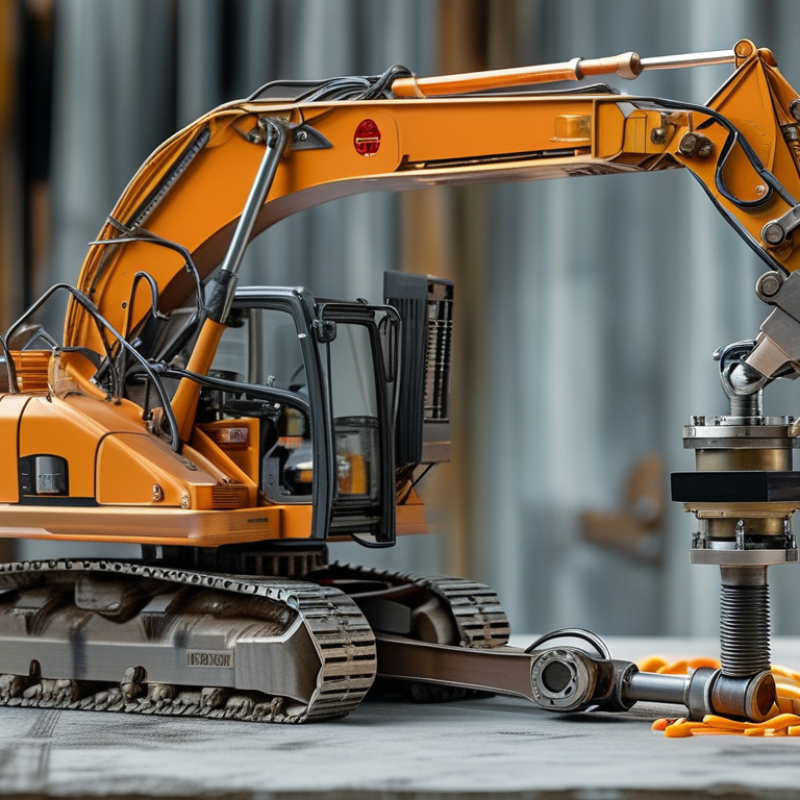
Definition and Basic Purpose of a Hydraulic Cylinder
What Is a Hydraulic Cylinder and How Does It Work?
A hydraulic cylinder is a mechanical actuator that converts pressurized fluid into linear movement. Its basic purpose is clear: push, pull, lift, tilt, or hold a load. A typical cylinder contains a barrel, piston, rod, seals, and mounting points. When hydraulic oil enters one side, pressure acts on the piston area. The rod then extends or retracts with controlled force.
Pressure alone does not tell the whole story. Force equals pressure multiplied by effective piston area. For example, a 100 mm piston at 160 bar can theoretically produce about 126 kilonewtons during extension. Real output is lower because seals create friction and oil bypass can occur. It is not perfectly efficient. Flow rate determines movement speed, while valve control determines direction and stopping behavior. A damaged seal may leak internally without leaving visible oil.
Market data shows why this component remains important. MarketsandMarkets’ Hydraulic Cylinders Market report projected growth from approximately USD 14.3 billion in 2023 to USD 19.4 billion by 2028. The report links demand to construction, agriculture, material handling, and industrial machinery. These applications expose cylinders to dust, vibration, side loading, and temperature changes. ISO 6020/2 and ISO 6022 provide dimensional and pressure-related guidance for common metric cylinders. Field inspection still matters. A cylinder may meet the standard yet perform poorly after contamination, misalignment, or neglected filtration. That practical gap deserves more attention.
What Is a Hydraulic Cylinder and How Does It Work?
A hydraulic cylinder converts pressurized hydraulic fluid into linear mechanical force. The chart shows the theoretical pushing force of an 80 mm bore cylinder at different system pressures. Force is calculated from pressure multiplied by piston area, before friction and other mechanical losses.
Main Components and Their Functions
A hydraulic cylinder, often called a hyd cylinder, converts pressurized fluid into linear force. Its barrel contains the fluid and guides the piston. The piston separates the barrel into two chambers. Oil enters one chamber through a port and pushes the piston. The rod transfers this movement to a machine linkage. Direction changes when fluid enters the opposite chamber. Simple in principle. Precise in operation.
Each component has a specific responsibility. The barrel withstands internal pressure and supports the piston’s travel. The piston carries sealing rings that limit fluid leakage between chambers. The rod extends force outside the barrel.
A gland supports the rod and holds additional seals in place. A wiper removes dust from the rod during retraction. Mounting points connect the cylinder to the equipment while allowing controlled movement. Even a small seal matters.
In workshop practice, alignment often decides service life. A bent rod can damage seals, increase friction, and create uneven motion. Dirty oil may scratch the piston or block a narrow port. Inspecting the rod surface, mounting bolts, and leakage marks is practical maintenance. Pressure ratings must match the system, not merely the expected load. A clean drawing can hide real problems. Temperature, side loads, and poor alignment deserve another look.
Common Types and Operating Configurations
What Is a Hydraulic Cylinder and How Does It Work?
A hydraulic cylinder converts pressurized fluid into controlled linear movement. Oil enters a chamber and pushes a piston. The piston moves a rod, producing force for lifting, pressing, steering, or positioning. Force depends on pressure and piston area, while speed depends on fluid flow. In practice, a cylinder may feel simple, but seal wear, trapped air, and side loading can change its behavior.
Common types include single-acting, double-acting, telescopic, tie-rod, and welded cylinders. A single-acting cylinder uses fluid pressure in one direction and a spring or external load for return. A double-acting cylinder uses pressure on both sides, allowing controlled extension and retraction. Telescopic designs provide long travel from a short closed length. Tie-rod cylinders suit many general applications, while welded cylinders often handle compact or demanding installations. Operating configurations also vary. Parallel cylinders share a load, but uneven flow can cause twisting. Series arrangements increase travel, though synchronization becomes more sensitive. A regenerative circuit can increase extension speed, with reduced pushing force. Small details matter.
Tips: Check rod alignment before installation. Use clean, filtered fluid and inspect fittings for leaks. A pressure rating is not a complete safety decision. Mounting, temperature, load direction, and cycle frequency matter too. I have seen diagrams look perfect while real machines vibrate noticeably. That is a useful reminder: calculations need field verification, not blind confidence. Never ignore slow drift. It may indicate internal leakage, valve problems, or worn seals.
Applications, Maintenance, and Safety Considerations
A hyd cylinder, commonly called a hydraulic cylinder, converts pressurized fluid into linear force. Pumped oil enters one side of the cylinder. It pushes a piston, extending or retracting the rod. This motion operates excavator arms, lifting platforms, steering systems, presses, and agricultural equipment. Applications vary widely, but the working principle remains straightforward.
Reliable performance begins with clean hydraulic fluid and regular inspection.
Check the rod for scoring, rust, bending, or dried oil. Examine seals, hoses, fittings, mounting points, and pins. A small leak can reduce pressure and create a slipping hazard. Watch for drifting loads, jerky movement, unusual heat, or slow operation. These signs may indicate worn seals, trapped air, contamination, or misalignment. Keep fittings secure, but avoid overtightening them. Follow the cylinder’s rated pressure and temperature limits. A rushed inspection can miss a failing seal.
Before maintenance, lower supported loads and isolate the power source.
Release trapped hydraulic pressure. Apply the required lockout procedure. Never search for leaks with your hands. Use cardboard or a suitable detection method because pressurized fluid can penetrate skin. Inspect guards and supports before returning equipment to service. Do not weld, drill, or alter a cylinder without qualified engineering approval. If a mounting pin fails, the load may drop suddenly. No checklist is perfect. Teams should record repairs, repeated faults, and inspection gaps, then question their assumptions.