INTERNATIONAL FLUID POWER, INC.

The Experts for Hydraulic Power Units, Components, and Custom Hydraulic Systems
Slider

What Is Solvent Free Lamination and How Does It Work?

Solvent Free Lamination joins flexible packaging films without using liquid solvents in the adhesive system. Instead, a two-component adhesive is metered, mixed, and applied in a very thin layer. Pressure brings the films together. Heat and time then support the adhesive’s curing reaction.

In a modern converting line, operators monitor adhesive ratios, coating weight, web tension, and room conditions. A small mixing error can create weak bonds, bubbles, or uneven appearance. The laminated web may look finished immediately, but full bond strength often develops during controlled curing. That detail matters when packaging must resist heat, moisture, oils, or repeated handling.

The process can reduce drying energy and simplify solvent management. It may also support cleaner production areas when properly controlled. However, it is not automatically safer, cheaper, or better for every structure. Machine settings, film treatment, adhesive chemistry, and production speed all influence the result. This is where practical judgment matters.

Some defects appear later.

Experienced technicians often test peel strength, visual quality, thickness, and seal performance before release. They also compare results with supplier data and internal specifications. Reliable production depends on records, calibrated equipment, and trained personnel. Even then, lamination can demand adjustment. A successful trial may fail after a material change or seasonal humidity shift.

This guide explains what Solvent Free Lamination means, how the equipment works, and why curing control is essential. It also examines benefits, limitations, common defects, and selection considerations. The goal is not to present a perfect process, but a realistic one. Good lamination comes from controlled chemistry, careful observation, and continuous review.
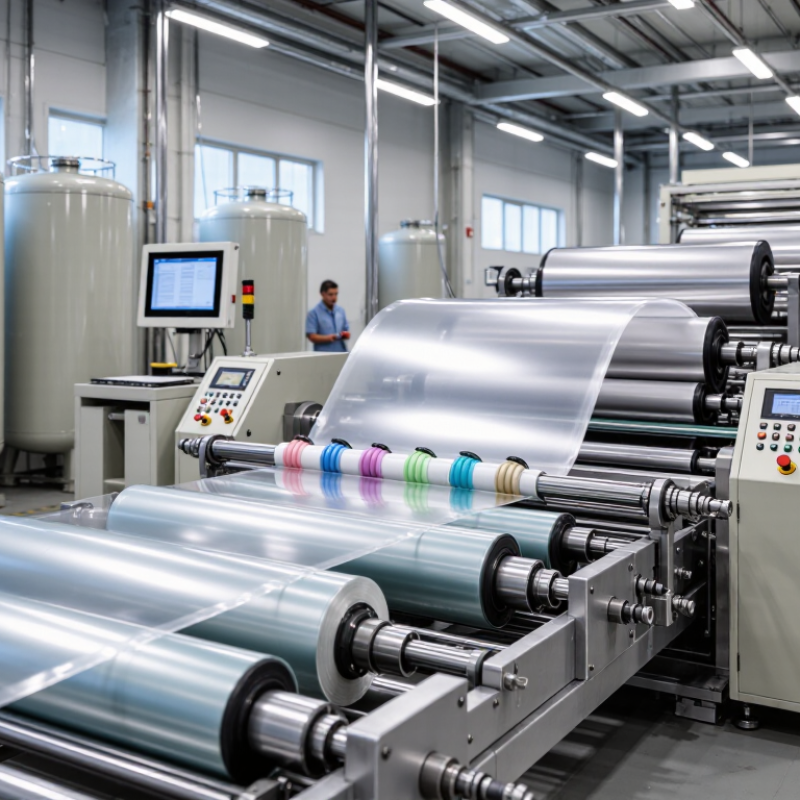
What Is Solvent Free Lamination and How Does It Work?

What Solvent-Free Lamination Is and Why It Is Used

Solvent-free lamination joins two or more flexible films with a reactive adhesive that contains no added organic solvent. The adhesive is metered, mixed, and applied in a thin layer. Heat is usually not required for drying. Instead, the components react and form a strong bond during curing. This process is common in food, medical, and industrial packaging because it can support clean, efficient production.

Manufacturers use solvent-free lamination to reduce solvent emissions and drying energy. The coating line also needs less ventilation equipment. A correctly cured laminate can resist moisture, oils, heat, and repeated handling. On the production floor, operators monitor adhesive weight, mixing ratio, web tension, and curing temperature. Small errors can create bubbles, wrinkles, or weak edges. Quality checks often include peel testing and visual inspection.

It sounds simple, but it is not automatic. Different films may respond differently to tension and adhesive chemistry. The adhesive must be mixed within its working life. Waiting too long can increase viscosity and cause uneven coating. I have found that fast production speeds can hide problems until curing is complete. That delay demands careful records and patient testing. In some cases, solvent-based systems may still provide easier processing, especially with difficult substrates. Solvent-free lamination is valuable, but only when equipment settings, materials, and curing conditions are properly matched.

Key Materials and Equipment in the Lamination Process

Solvent-free lamination uses a two-component polyurethane adhesive instead of a solvent-based coating. The adhesive contains nearly 100% solids, so no drying oven is needed to remove solvent. A 2023 analysis by MarketsandMarkets estimated the solvent-free adhesive market at about USD 1.8 billion, with continued growth through 2028. The figure varies by research method, but demand is clearly linked to lower emissions and faster line layouts.

The key materials are the adhesive components, printed film, sealant film, and sometimes aluminum foil. The resin and hardener must match in viscosity and mixing ratio. A heated metering unit controls both components before a static mixer blends them. The coating head applies a thin, even layer, often around 1–2 grams per square meter. A laminating nip then presses the webs together under controlled pressure. Small errors matter. Poor tension can create wrinkles, while uneven mixing may cause weak bonds.

Experienced operators monitor adhesive temperature, coat weight, web tension, nip pressure, and curing time. A 2022 Smithers report on flexible packaging identified lightweight structures and resource efficiency as important market drivers. However, solvent-free laminates are not instantly ready for packaging. Full curing may require several days, depending on adhesive chemistry and film structure. Testing should include bond strength, seal performance, appearance, and odor. The process is cleaner, but not effortless. Insufficient quality checks can still produce blocking, curl, or delamination.

What Is Solvent-Free Lamination and How Does It Work?

Typical solvent-free adhesive coat-weight ranges by flexible packaging application

Solvent-free lamination bonds two or more film layers using a two-component polyurethane adhesive, normally a polyol and an isocyanate. The components are accurately metered, mixed, and applied by a coating roller before the webs are pressed together in a laminating nip. Typical adhesive coat weights range from about 1.5 to 5.0 g/m², depending on the required bond strength, barrier performance, and end use. The process uses a metering and mixing unit, heated adhesive lines, coating rollers, pressure rollers, web-tension controls, and a curing section. No drying oven is required because the adhesive contains no solvent that must evaporate.

Values shown are generalized industry ranges for common flexible-packaging applications; actual settings depend on film type, adhesive chemistry, coating equipment, and curing conditions.

How Adhesive Components Are Mixed and Applied

Solvent-free lamination bonds film layers without evaporating organic solvents. The adhesive usually contains a polyol and an isocyanate component. These parts remain separate until dosing. After mixing, they react and form a solid polyurethane layer between films.

Accurate metering matters. Many industrial systems use component ratios near 100:50 or 100:75 by weight, depending on the adhesive formulation. Operators commonly target mixing accuracy within about ±2%. A small error can cause weak bonds, bubbles, or uneven curing. The European Commission’s Best Available Techniques reference document identifies solvent use as a major source of coating emissions. Solvent-free systems reduce this exposure because the adhesive has no solvent to evaporate.

The mixed adhesive is applied through a heated coating unit, often at 1–3 grams per square metre. Heat lowers viscosity and helps create a thin, continuous film. The coated web then meets the second substrate under controlled pressure. Nip pressure removes air pockets. A curing tunnel or aging room allows the chemical reaction to continue.

Timing is critical.

Industry reports from Smithers describe flexible packaging as a large and expanding converting sector, increasing pressure for lower-emission production. Still, “solvent-free” does not mean process-free. Poor tension control can wrinkle the web, while excessive heat may distort thin films. Production teams should verify mix ratio, coating weight, temperature, bond strength, and cure time through documented tests. Some operators rely too heavily on machine settings. That is a mistake worth reconsidering.

What Is Solvent Free Lamination and How Does It Work? - How Adhesive Components Are Mixed and Applied

Process Stage Material or Parameter Typical Data or Range Purpose Main Control Point
1. Adhesive Selection Two-component polyurethane adhesive Usually supplied as Component A and Component B; 100% solids and no intentionally added organic solvent Creates the bonding layer without a drying oven for solvent evaporation Confirm compatibility with the film, foil, paper, ink, coating, and intended package contents
2. Component A Preparation Polyol or hydroxyl-functional resin component Formulation-dependent; often the higher-volume component Provides hydroxyl groups that react with the isocyanate component Keep the material dry and maintain the specified temperature and viscosity
3. Component B Preparation Isocyanate-functional curing component Formulation-dependent; commonly used at a lower proportion than Component A Reacts with the polyol to form the polyurethane network Protect from moisture because isocyanates react with water and can generate carbon dioxide
4. Metering Separate precision pumps Mixing ratio is set by the adhesive formulation; common systems use a ratio near 100:50 to 100:100 by weight Delivers the correct quantity of each component to the mixer Verify ratio by weight, pump calibration, pressure, and flow stability
5. Temperature Conditioning Heated tanks, hoses, and application head Often approximately 35–60 °C, depending on adhesive viscosity and equipment design Reduces viscosity and supports uniform metering and coating Use the adhesive supplier’s specified temperature limits; excessive heat can shorten usable life
6. Mixing Static mixer or dynamic mixing head Continuous in-line mixing immediately before application Combines the two reactive components into a homogeneous adhesive Avoid unmixed streaks, air entrapment, dead zones, and excessive residence time
7. Adhesive Application Gravure, smooth-roll, or other metering application system Typical dry coating weight: about 0.8–2.5 g/m², depending on substrate and performance requirements Deposits a thin, continuous adhesive layer on the web Control coating weight, coverage, web tension, roll condition, and surface cleanliness
8. Web Joining Primary and secondary substrate Examples include plastic film, metallized film, aluminum foil, paper, and coated structures Brings the coated web into contact with the second substrate Maintain nip pressure and alignment while avoiding wrinkles and trapped air
9. Initial Bond Formation Pressure-sensitive contact between layers Immediate handling is possible in many systems, although final properties are not yet reached Provides enough adhesion for winding, slitting, or further handling Check for tunneling, bubbles, edge lift, blocking, and coating defects
10. Curing Polyurethane cross-linking reaction Often requires several days for full cure; time depends on chemistry, temperature, humidity, and structure Develops final bond strength, heat resistance, chemical resistance, and durability Control storage temperature and avoid premature conversion before the specified cure time
11. Quality Verification Bond and appearance testing Common checks include peel strength, visual inspection, coating weight, bond uniformity, and seal performance Confirms that the laminate meets its intended functional requirements Use test conditions appropriate for the substrate combination and end use
Note: Operating ranges are representative industry values rather than universal specifications. The adhesive formulation, substrate construction, machine design, line speed, ambient humidity, and intended end use determine the final settings.

How Films Are Bonded, Cured, and Converted

What Is Solvent Free Lamination and How Does It Work?

Solvent-free lamination bonds flexible films without evaporating a solvent. The adhesive usually contains two reactive components with nearly 100% solids. A precision metering system applies a thin layer to one web. The coated film then meets a second web inside a heated nip. Controlled pressure removes air and creates close contact between the layers.

Mixing accuracy matters. The two components must reach the intended ratio before coating. Temperature also changes adhesive flow, coating weight, and bond formation. After lamination, the roll remains wound while the adhesive cures through a chemical reaction. Cure time depends on adhesive chemistry, film structure, web tension, and storage temperature. It may take several days.

Then the bonded roll enters conversion. Slitting divides it into narrower rolls. Other equipment may form pouches, seal edges, or cut finished packs. Operators check bond strength, wrinkles, tunnel defects, thickness, and seal performance. A clear film can still hide weak adhesion. That is why peel tests and visual inspection both matter.

The process is efficient, but not effortless. A small temperature drift can create uneven coating. Poor tension control may cause wrinkles after curing. Real production conditions are less perfect than laboratory trials. Teams should record curing conditions and test the final structure, not only the fresh laminate. Some defects appear late. That remains a practical limitation.

Benefits, Applications, and Limitations of Solvent-Free Lamination

Solvent-free lamination bonds two flexible webs without liquid solvent. A metering unit mixes reactive polyurethane components. The adhesive then spreads onto film, foil, or paper. Heat is usually unnecessary during application. Curing continues inside the finished roll. It is a cleaner process. There is no drying oven to evaporate solvent.

The benefits are practical. Lower oven demand can reduce energy use and factory ventilation needs. Operators also avoid solvent recovery and residual-solvent concerns. According to Grand View Research’s 2024 flexible packaging report, the global market was valued at approximately USD 248.9 billion in 2023. That scale increases pressure for efficient, lightweight converting. Solvent-free adhesives support thin structures and can reduce material consumption. They serve snack packs, coffee pouches, medical packaging, labels, and household-product sachets. Food-contact performance still depends on the complete structure and applicable regulations.

Limitations deserve equal attention. The adhesive mix must remain precise. Small ratio errors may cause poor bonding, bubbles, or incomplete curing. Production speed can also be restricted by curing time. Retort, freezer, and high-barrier applications require careful validation. Smithers’ flexible-packaging outlook identifies sustainability and downgauging as major industry drivers, but it does not isolate solvent-free lines in every market dataset. Precise savings are therefore difficult to compare. That weakness matters. A converter should measure energy, scrap, cure time, and bond strength on its own equipment, rather than trust a universal percentage. Experiences vary, sometimes sharply.