International Fluid Power Inc.
International Fluid Power - Innovative Partners For Global Sourcing Of Fluid Power Products. Your Complete Hydraulic Source in SE Minnesota.
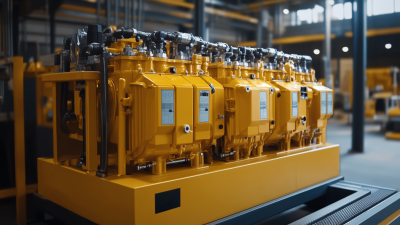
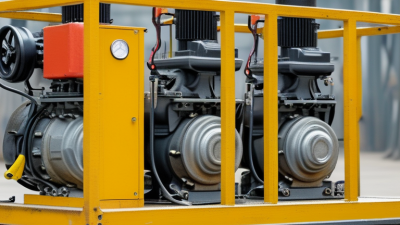
A Diesel Hydraulic Power Pack is a compact machine that converts diesel engine power into controlled hydraulic energy. It usually combines a diesel engine, hydraulic pump, oil reservoir, filters, valves, gauges, and protective controls. Together, these parts supply pressurized oil to cylinders, motors, lifting systems, drilling equipment, or emergency machinery.
The engine provides the muscle. The hydraulic circuit provides precision. A well-designed Diesel Hydraulic Power Pack can operate where grid electricity is unavailable, including remote construction sites, mines, farms, ports, and municipal work zones. Picture a steel frame beside an excavator: the engine vibrates, hydraulic oil warms gradually, and hoses carry power toward a waiting actuator. Small details matter. Incorrect oil viscosity, blocked filters, or poor cooling can reduce performance quickly.
Hydraulic engineering expert Dr. Andrea Vacca emphasizes, “Efficiency begins with controlling energy, not merely producing pressure.” That principle explains why power-pack selection requires more than checking engine horsepower. Flow rate, operating pressure, duty cycle, noise, fuel use, enclosure design, and service access must match the application. Field experience often reveals uncomfortable truths. A powerful unit can still perform badly when its pump is oversized. A cheaper model may cost more after repeated maintenance. I may be missing one variable here: climate can change the answer significantly. Cold starts, dust, humidity, and high altitude deserve careful attention. This guide examines the working principles, main components, advantages, limitations, and practical selection criteria behind modern diesel hydraulic systems.
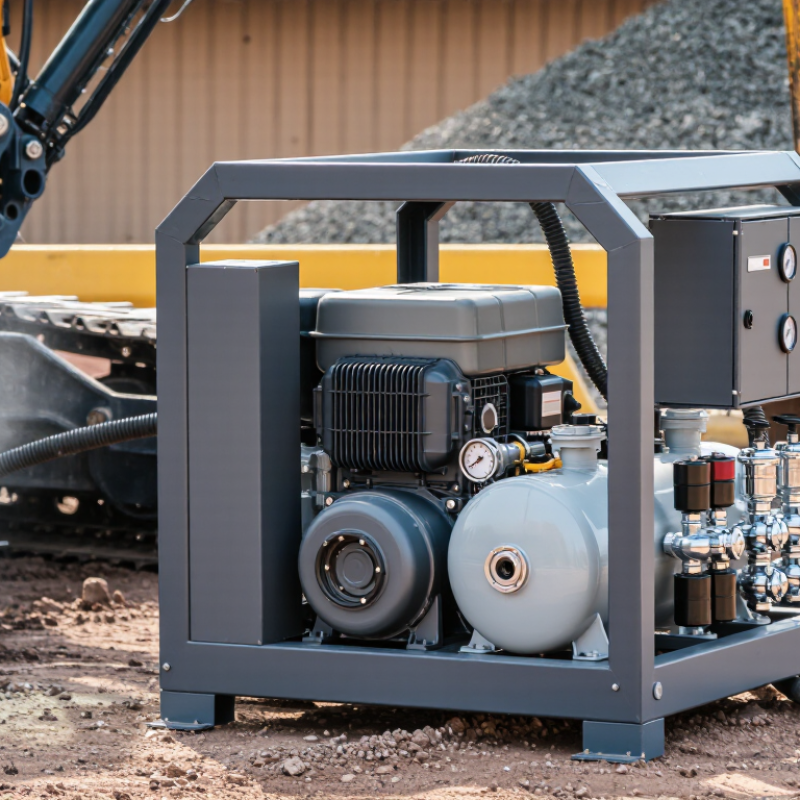
A diesel hydraulic power pack is a self-contained machine that converts diesel engine power into hydraulic energy. It normally includes a diesel engine, hydraulic pump, fuel system, oil reservoir, valves, filters, and control devices. The pump moves pressurized hydraulic fluid through hoses and cylinders. This pressure creates controlled movement and force.
Its main purpose is to operate hydraulic equipment where electric power is unavailable, limited, or impractical. It can drive lifting platforms, rescue tools, drilling equipment, agricultural machinery, and mobile construction systems. A diesel engine provides strong output for extended field operation. The unit can also support several hydraulic functions, depending on its flow rate and pressure settings.
In practical use, sizing matters. A power pack with insufficient flow may make equipment move slowly. Excessive pressure can damage components or create unsafe operating conditions. Operators should check fluid levels, hose connections, engine temperature, and filter condition before use. A small leak may seem harmless. It rarely stays that way.
Tips: Match the pump’s flow and pressure with the equipment manufacturer’s requirements. Keep the reservoir clean and use the correct hydraulic fluid. Allow the engine to warm up before applying heavy loads. Maintenance records also help identify gradual performance changes, although they are sometimes overlooked.
What Is a Diesel Hydraulic Power Pack?
Main Components and Their Functions
A diesel hydraulic power pack converts engine power into controlled hydraulic energy. It operates independently where electrical supply is limited or unavailable. The diesel engine provides mechanical power through a coupling or direct drive. A hydraulic pump then pushes fluid through the system. Pump selection affects pressure, flow rate, heat, and working speed.
The reservoir stores hydraulic oil and allows air and contaminants to separate. It also supports cooling before the fluid returns to the pump. Suction strainers protect the pump from larger particles. Return-line filters capture finer contamination during operation. Small particles matter. They can damage valves, seals, and pump surfaces. A relief valve limits excessive pressure and protects connected equipment. Directional and flow-control valves manage movement, speed, and operating sequence.
A control panel usually includes engine start, shutdown, pressure monitoring, and emergency controls. Some systems also use gauges, sensors, and automatic protection for low oil pressure or high coolant temperature. The frame supports every component and helps reduce vibration. Flexible hoses need careful routing because heat and friction can cause early failure. Exhaust shielding is equally important near operators and combustible materials. In field maintenance, clean oil and regular filter inspection often prevent expensive faults. Yet service intervals are not universal. Dust, temperature, load cycles, and poor storage can change them. Ignoring these conditions is an easy mistake.
The chart shows the theoretical hydraulic power produced at a constant flow of 30 L/min. Hydraulic power is calculated as Power (kW) = Pressure (bar) × Flow (L/min) ÷ 600. Actual output is lower because of pump, engine, and hydraulic-circuit losses.
A diesel hydraulic power pack combines a diesel engine, hydraulic pump, reservoir, filters, valves, and controls. It converts fuel energy into controlled hydraulic flow. The engine turns the pump through a coupling or gearbox. The pump draws oil from the reservoir and sends pressurized fluid toward an actuator, motor, or hydraulic tool. Pressure depends on resistance, not engine size alone. This distinction matters during performance checks.
When the engine starts, the pump creates flow through the hydraulic circuit. A control valve directs oil to the required component. Oil entering a cylinder creates linear movement, while oil entering a hydraulic motor creates rotation. A relief valve limits excessive pressure and protects the circuit. Returning oil passes through filters before reaching the reservoir again. The cycle continues while the operator controls flow and direction.
In real work, heat, contamination, and uneven engine speed can change performance. Field technicians should check oil temperature, hose vibration, unusual noise, and pressure readings together. A clean schematic rarely matches a dusty worksite. Small leaks can also become serious faults, especially around fittings and seals. The system may function, but not efficiently.
Tips: Use the correct hydraulic fluid and keep the reservoir clean. Inspect filters regularly. Let the engine warm before heavy loading. Never adjust the relief valve without verified pressure measurements and suitable protective equipment. Record readings during each service visit, because memory is unreliable.
What Is a Diesel Hydraulic Power Pack?
Common Industrial and Mobile Applications
A diesel hydraulic power pack combines a diesel engine, hydraulic pump, reservoir, valves, and control devices. It supplies pressurized fluid when electric power is unavailable or impractical. In factories, these units operate presses, conveyors, lifting tables, and material handling systems. Their independent engines can keep essential equipment running during temporary power interruptions.
Mobile applications often demand greater flexibility. A power pack can drive hydraulic tools on excavators, service trucks, cranes, dump trailers, and road maintenance equipment. At a remote construction site, one compact unit may power a breaker, winch, or hydraulic cutter. Operators value quick installation, strong torque, and reliable performance in dusty or cold conditions. However, noise, exhaust ventilation, fuel storage, and vibration require careful planning. A common mistake is choosing engine power without checking flow and pressure requirements. That approach can cause slow movement, overheating, or premature component wear. Real operating conditions matter.
Tips: Confirm required pressure, flow rate, duty cycle, and ambient temperature before selection. Inspect hoses, fittings, filters, and fluid levels regularly. Keep the reservoir clean. Small contamination can damage pumps and control valves. Allow space around the engine for cooling and maintenance. It is also wise to record operating temperatures and unusual sounds. These details often reveal problems before a shutdown occurs. Specification sheets help, but field measurements are better.
| Application | Typical Hydraulic Function | Common Pressure Range | Typical Flow Range | Why Diesel Power Is Used | Important Design Considerations |
|---|---|---|---|---|---|
| Excavators and Backhoe Loaders | Drives boom, arm, bucket, swing, travel, and auxiliary attachments. | 250–350 bar (3,625–5,075 psi) |
80–400 L/min (21–106 gal/min) |
Provides high power density and allows operation at remote construction sites without grid electricity. | Requires load-sensing or variable-displacement control, cooling capacity, filtration, and protection against shock loads. |
| Skid-Steer and Compact Utility Equipment | Operates wheel or track drive systems, lifting arms, buckets, augers, breakers, and other attachments. | 200–350 bar (2,900–5,075 psi) |
50–150 L/min (13–40 gal/min) |
Offers compact off-grid power for mobile equipment that frequently changes work locations. | Packaging space, hydraulic heat rejection, engine ventilation, noise control, and attachment compatibility are critical. |
| Truck-Mounted Cranes and Service Vehicles | Controls boom extension, lifting cylinders, stabilizers, winches, and material-handling functions. | 180–300 bar (2,610–4,350 psi) |
20–120 L/min (5–32 gal/min) |
Supplies hydraulic power when the vehicle is stationary or when the main engine cannot provide the required auxiliary flow. | Needs stable mounting, emergency stop controls, overload protection, low center of gravity, and safe hose routing. |
| Dump Trucks and Tipping Trailers | Raises and lowers tipping bodies using one or more hydraulic cylinders. | 150–250 bar (2,175–3,625 psi) |
15–80 L/min (4–21 gal/min) |
Enables independent operation for off-road hauling, loading areas, and locations without dependable electrical service. | High flow during lifting, controlled descent, relief-valve protection, reservoir sizing, and cylinder stability must be considered. |
| Agricultural Machinery | Runs loaders, balers, harvest attachments, augers, feed systems, and hydraulic implements. | 160–280 bar (2,320–4,060 psi) |
20–180 L/min (5–48 gal/min) |
Provides dependable field power and supports equipment used far from utility infrastructure. | Dust protection, easy maintenance, biodiesel compatibility, cold-start performance, and contamination control are important. |
| Forestry and Logging Equipment | Operates grapples, saw heads, winches, felling heads, conveyors, and feed rollers. | 200–350 bar (2,900–5,075 psi) |
60–300 L/min (16–79 gal/min) |
Delivers high continuous power for demanding work in remote and uneven terrain. | Impact resistance, filtration, oil cooling, hose protection, operator safety, and high-cycle durability are essential. |
| Road Maintenance Equipment | Controls sweepers, snowplows, spreaders, milling attachments, compaction units, and lifting mechanisms. | 140–280 bar (2,030–4,060 psi) |
25–160 L/min (7–42 gal/min) |
Supports mobile operation along roads where electrical power is unavailable or impractical. | Must tolerate vibration, weather exposure, intermittent duty cycles, salt, dust, and frequent transport. |
| Material Handling and Loading Systems | Drives hydraulic lifts, dock equipment, compact loaders, clamps, and positioning cylinders. | 120–250 bar (1,740–3,625 psi) |
15–100 L/min (4–26 gal/min) |
Provides independent power for loading operations at temporary sites, yards, and outdoor facilities. | Accurate motion control, load-holding valves, guarding, braking, and protection from overloading are required. |
| Industrial Emergency Power Units | Supplies backup hydraulic power for gates, valves, presses, clamps, shutdown systems, and process equipment. | 100–350 bar (1,450–5,075 psi) |
5–100 L/min (1–26 gal/min) |
Diesel engines can start independently during power outages and provide high energy output for extended periods. | Automatic starting, fuel storage, battery charging, ventilation, fire protection, alarms, and periodic testing are key requirements. |
| Marine and Offshore Equipment | Operates winches, hatch covers, cranes, steering systems, davits, and deck machinery. | 140–315 bar (2,030–4,570 psi) |
20–250 L/min (5–66 gal/min) |
Provides standalone hydraulic power where electrical infrastructure may be limited or unavailable. | Corrosion resistance, marine-rated exhaust systems, spill prevention, enclosure protection, and stable mounting are necessary. |
| Mining and Quarry Equipment | Runs rock drills, breakers, conveyors, bolting systems, pumps, and heavy-duty handling equipment. | 200–350 bar (2,900–5,075 psi) |
50–400 L/min (13–106 gal/min) |
Delivers substantial mechanical power in remote, rugged, and high-load operating environments. | Engine protection, dust filtration, cooling performance, fire suppression, vibration resistance, and service access are vital. |
| Hydraulic Test and Service Units | Provides controlled flow and pressure for cylinder testing, actuator servicing, flushing, and field diagnostics. | 100–700 bar (1,450–10,150 psi) |
5–100 L/min (1–26 gal/min) |
Allows maintenance teams to test or operate hydraulic components at locations without a workshop power supply. | Accurate gauges, calibrated sensors, pressure relief, clean oil, quick couplers, and adjustable flow control are important. |
A diesel hydraulic power pack combines a diesel engine, hydraulic pump, reservoir, valves, and cooling equipment.
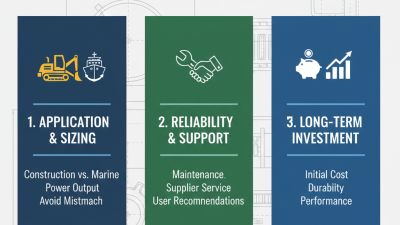
Selection starts with the machine’s real duty cycle, not its peak pressure alone. Match flow, pressure, operating hours, altitude, ambient temperature, and available fuel. A unit sized too closely may overheat during continuous work. A unit sized too generously wastes fuel and increases purchase costs.
Maintenance should be measurable.
Check hydraulic oil level daily, inspect hoses for abrasion, and replace clogged filters before pressure rises. Oil sampling can reveal water, wear particles, and abnormal viscosity changes. ISO 4413:2010 emphasizes contamination control, pressure protection, and safe system design. Keep the reservoir clean during refilling. One dirty funnel can defeat expensive filtration. Service records should include operating hours, oil condition, filter changes, leaks, and unusual noise.
Safety requires respect for stored hydraulic energy.
Depressurize the circuit before loosening fittings, then verify pressure at the test point. Never search for leaks with bare hands; escaping fluid can penetrate skin. Provide guards around rotating components and adequate ventilation for diesel exhaust. The UK Health and Safety Executive reported 138 worker fatalities in 2023/24, showing why routine controls cannot remain informal. A written isolation procedure helps, but it is not perfect. Operators still need practical training, emergency drills, and permission to stop questionable work.
This is an example of a widget area that you can place text to describe a product or service. You can also use other WordPress widgets such as recent posts, recent comments, a tag cloud or more.
© 2025 International Fluid Power, Inc. All Right Reserved.